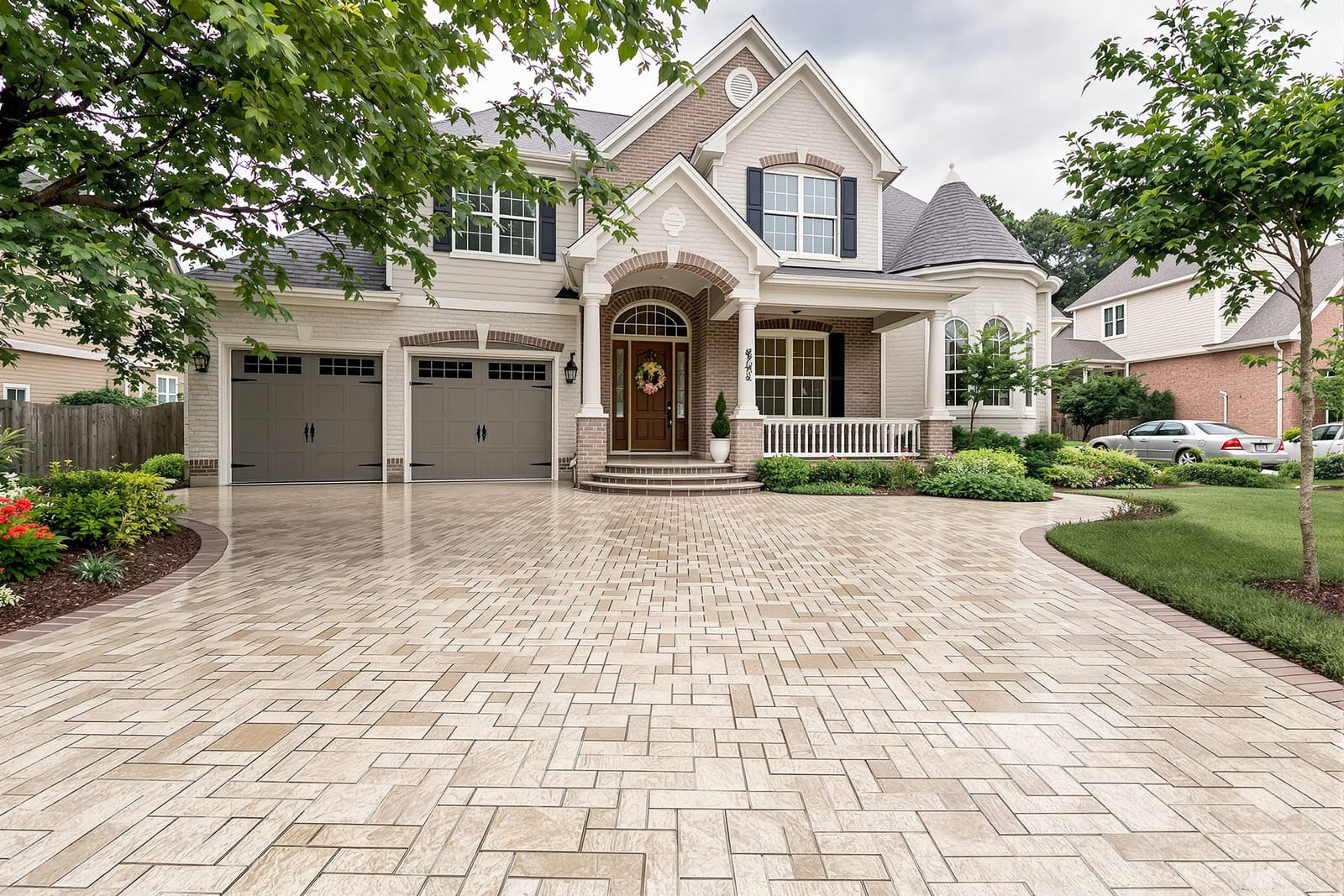
Our stamped concrete services in Dothan, AL give you the look of stone, brick, or pavers at a more affordable cost. We help you choose patterns and colors that complement your home, then install decorative concrete that holds up to weather and traffic. From patios to walkways, stamped concrete adds curb appeal and value.
Superior Concrete Dothan provides professional stamped concrete throughout Dothan, AL, Alabama and the surrounding area. Our licensed, insured crew delivers safe, clean, on-time work with a free estimate before anything begins. Call (334) 686-1382 or request your free quote.
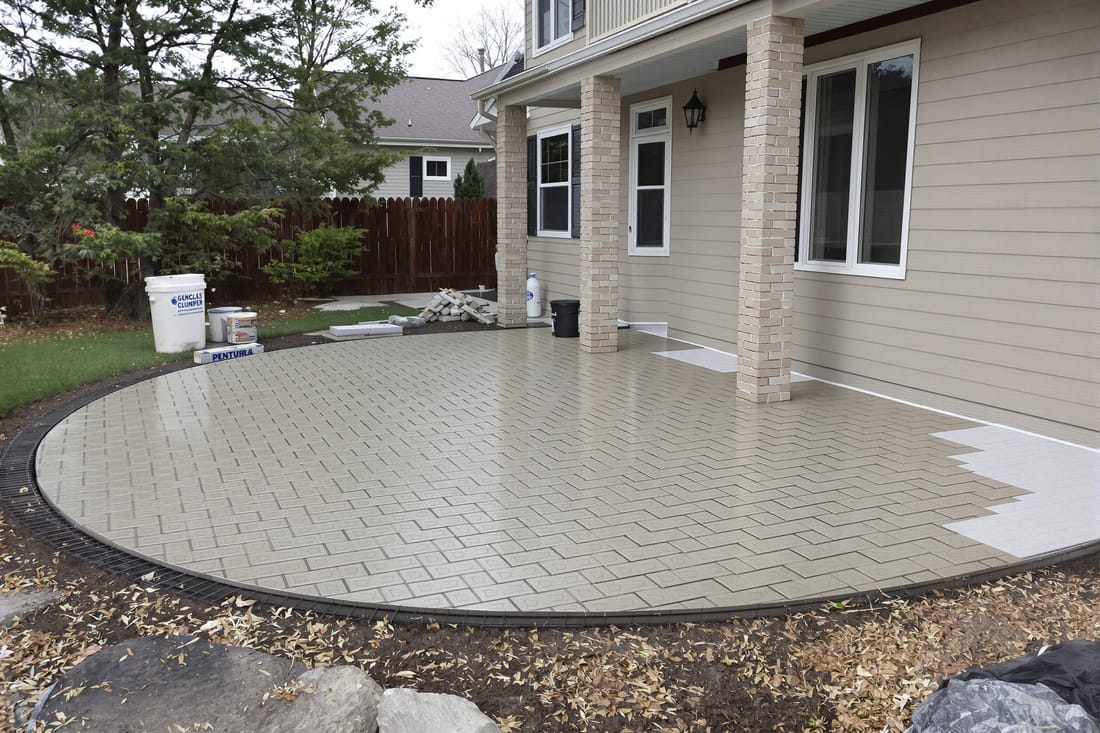
Stamped concrete services in Dothan, AL that actually hold up
Stamped concrete is popular around Dothan because it gives you the look of brick, stone, or pavers without all the shifting and weeds that come with individual pieces. At Superior Concrete Dothan, we focus on stamped concrete that can handle our hot summers, humidity, and sudden rain without flaking or fading after a couple of seasons.
Stamped concrete is regular concrete that is colored, textured, and patterned while it is still workable. The mix is poured like a standard slab, then we use color hardeners, release agents, and heavy rubber stamps to create the pattern. When everything is done right, you get a solid slab with joints cut in smart locations that control cracking and a surface that looks like more expensive materials. The key is timing and prep, and that is where most cheaper jobs go wrong.
In and around Dothan you are usually dealing with clay soils that hold water. If the base is not compacted properly or if drainage is ignored, stamped concrete will move and crack more than it should. We spend time on the base, not just the surface. We also adjust the mix and curing schedule depending on the time of year. A slab poured in August in Dothan cannot be handled the same as one poured in March, or you end up with surface checks and weak edges.
Our goal with every stamped job is simple: make it look good on day one and still look good ten years from now with normal care. That means honest talk upfront about where stamped concrete works best, how it should be maintained in our climate, and what it will and will not handle compared to real stone or pavers.
How we install stamped concrete from start to finish
A solid stamped concrete job starts with layout. We walk the area with you, mark out edges, step locations, and slopes with strings and spray paint, and talk about how water will run off the slab. In Dothan we get quick heavy rains, so we plan for at least 1/8 to 1/4 inch of slope per foot away from your house or pool. For driveways we look at traffic patterns so stamp joints and saw cuts will not end up where your tires always turn.
Next is excavation and base work. We typically remove 4 to 8 inches of soil depending on the use. For patios and walkways, 4 to 6 inches is common. For driveways and RV pads, we go deeper and add more stone. We install a compacted base of crushed stone or similar material, not just loose dirt. This step is critical in our local red clay because clay expands and contracts with moisture. A stable stone base helps spread the load and reduce movement.
We then set forms using wood or steel, making sure heights match surrounding patios, thresholds, and existing slabs. At this stage we confirm the finished height with you, so there are no surprise steps or trip points later. Once forms are set, we add reinforcement. For most stamped patios and walks we use rebar on a grid or wire mesh, and for driveways we prefer rebar on chairs so it stays in the middle of the slab where it actually adds strength.
The concrete is delivered at the specified strength (often 3,000 to 4,000 psi for residential work), and we place and screed it like a normal slab. Then we begin the coloring and stamping process. We typically use one of two methods: integral color mixed into the truck, or shake-on color hardener broadcast onto the surface. Integral color gives a consistent base tone all the way through. Color hardener gives a richer surface color and improved surface strength, but it requires more skill and timing.
A release agent (either powder or liquid) is then applied so the stamps do not stick and to add a secondary color that settles into the low spots and joints. We press heavy rubber stamp mats into the surface in a pattern layout that avoids repeat marks looking obvious. Edges and tight spots are hand detailed with smaller stamps and chisels so the pattern looks natural. When the concrete has set enough, we remove the stamps, rinse excess release, perform any surface detailing, and cut control joints where they will blend into the stamped pattern as much as possible.
Patterns, colors, and finishes that work in Dothan neighborhoods
Stamped concrete is all about matching the look of your home and yard. At Superior Concrete Dothan we keep pattern and color suggestions realistic for South Alabama homes instead of pushing whatever is trendy online. We bring physical samples and photos of local projects so you can see how finishes actually look in our light and red clay surroundings.
Common patterns around Dothan include ashlar slate, random stone, cobblestone, and wood plank. Ashlar slate works well on pool decks and patios because it gives texture without being too busy. Random stone looks good next to brick homes and curved garden beds. Wood plank is popular for porches and around fire pits when you like the look of wood but do not want it to rot, warp, or need repainting.
Color choices matter both for appearance and heat. In our climate, very dark colors can get hot on bare feet. For pool decks and south facing patios we usually recommend light to medium tones, like light tan, sandstone, or weathered gray with a soft release color for depth. For driveways or outdoor kitchens where people will wear shoes, deeper browns and charcoal accents can look sharp and help blend oil stains.
We normally use a base color with a secondary release color to mimic natural variation. For example, a tan base with a darker brown release can resemble flagstone, and a gray base with charcoal release can look like slate. Bands, borders, and medallions can be added in a contrast color to frame a patio or break up a long driveway. This is often cheaper than using a separate material and keeps the slab one piece for strength.
Sealers are another key part of the finished look. In our humid climate a high gloss sealer can become slick and may show moisture blushing if the concrete is not dry enough when sealed. We typically recommend a quality acrylic sealer formulated for stamped concrete with a satin finish, and we can add a fine grit additive in traffic areas or pool decks for better traction. We also talk through how often you want to reseal. Around Dothan, with our sun and rain, most stamped surfaces do best with resealing every 2 to 4 years depending on exposure and traffic.
Costs, lifespan, and what affects the price of stamped concrete
Stamped concrete usually costs more than plain gray concrete but less than real stone or pavers installed correctly. When we price a job, we look at more than just square footage. Access to the site, thickness, reinforcement, color method, sealer type, and pattern complexity all affect the total.
For a simple stamped patio close to the driveway where the truck can back up, with standard thickness and a basic pattern, costs stay more moderate. Once we have to wheelbarrow long distances, pump concrete, or work around tight fences and landscaping, labor goes up. Driveways and heavier use areas cost more because we pour thicker concrete (often 4 to 6 inches), use stronger mixes, and add more reinforcement.
Color choice also affects cost. Integral color costs more at the material level because the pigment is added to the entire truck load, but it can save some labor on site. Shake-on color hardener requires more work during installation but gives a harder wearing surface that can be a good investment for patios and entertainment areas. Multi-color projects with borders, bands, or custom insets take more time to lay out, color, and stamp.
Sealer quality is another factor. Cheaper sealers might look good the first month but can peel, whiten, or fade quickly under Dothan sun and rain. We price jobs with professional grade sealer and include a first cleaning and sealing in our stamped packages so the surface is protected from day one. We will explain the pros and cons if you are comparing a quote that does not include sealing or uses a low-cost product.
Long term, stamped concrete typically requires resealing on a regular schedule, which is a small ongoing cost compared to replacing pavers that sink or wood that rots. If you drive heavy equipment on it or let tree roots grow unchecked under it, you can expect more issues no matter who installs it. We are upfront about what the slab is designed to handle. For example, a patio designed for foot traffic should not be used for parking work trucks, or you risk cracking at the joints and edges.
Local considerations, maintenance, and what to ask before you hire
Dothan does not always require a permit for every small patio, but larger projects, structural porches, and driveways that tie into the street or sidewalk can fall under city or county requirements. If your home is in a subdivision with an HOA, there may also be rules on colors, visible finishes, and front yard changes. Superior Concrete Dothan helps you figure out whether permits or HOA approvals are needed and can provide drawings and finish samples if your board asks for them.
Because we deal with local inspectors regularly, we know what they look for: proper setbacks, drainage that does not push water toward a neighbor, and sidewalks or drive approaches that match city specs. Addressing these items upfront avoids costly tear outs later. Even if a permit is not required, we still follow good practice on base prep, thickness, and joints, since those are what make the slab last in our soil and weather.
Maintenance for stamped concrete around Dothan is straightforward. Sweep or rinse dirt and leaves so they do not stain, especially under pecan and oak trees. Avoid harsh chemical de-icers in the rare freeze, since they can damage the surface. Mild detergent and a soft brush take care of most spills. Oil and grease should be cleaned soon after they happen so they do not soak in, particularly on driveways and outdoor kitchen areas.
Resealing is the main ongoing task. In full sun, a stamped slab may need resealing closer to every 2 years. In shaded or covered areas, 3 to 4 years is common. We offer reseal services even if we did not pour the original slab. When we reseal, we first check for sealer build up, peeling spots, or trapped moisture and choose a compatible product. In some cases, we strip old failing sealer before applying a new coat, which is the right way to fix whitening and peeling problems.
Before you hire a stamped concrete contractor in Dothan, ask to see local jobs that are at least 3 to 5 years old, not just fresh ones. You want to see how their work ages in our climate. Ask what base they use under the slab, how thick they pour, what strength concrete they specify, and how they handle joints in stamped patterns. A detailed written proposal from Superior Concrete Dothan will spell all of this out, so you know what you are getting and how to compare it to other quotes.